
Our Blog
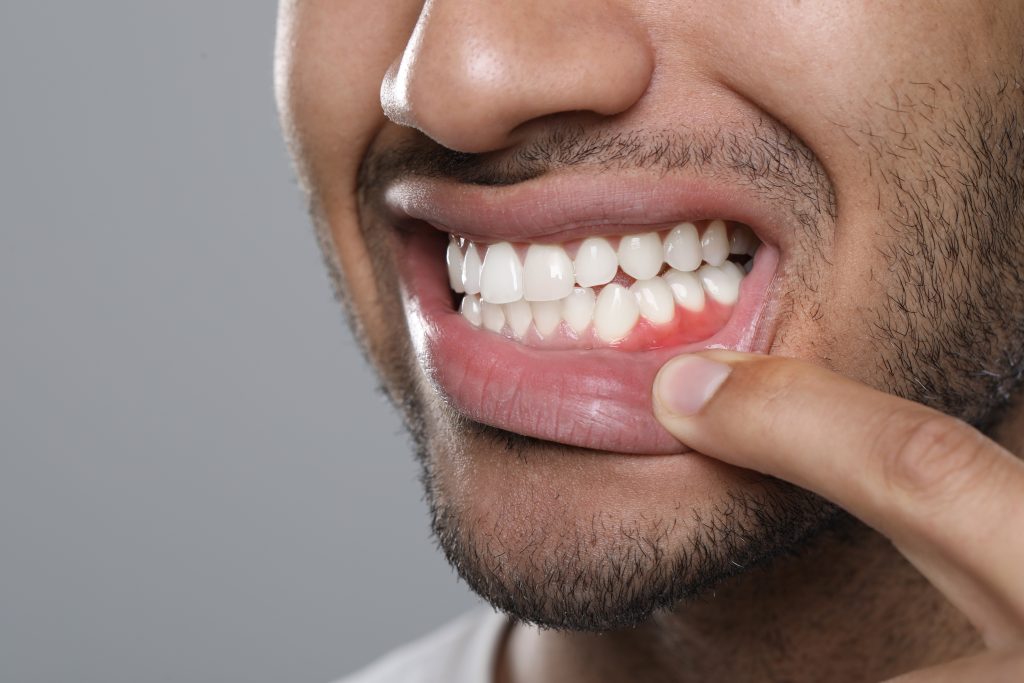
Your Gums and Your Brain: Could Periodontal Health Play a Role in Healthy Brain Aging?
When we think about keeping our brains healthy as we age, we often think about exercise, nutrition, sleep, and staying mentally active.
But there may be another piece of the healthy-aging puzzle that starts somewhere unexpected: your mouth.
Growing research is exploring a fascinating connection between chronic inflammation, periodontal (gum) disease, and the health of the aging brain.
Inflammation: The Connection Between the Mouth and the Brain
In his book The Inflamed Mind, psychiatrist and neuroscientist Professor Edward Bullmore explores an important shift in how scientists think about the brain: the brain is not completely isolated from the immune system.
Inflammation occurring elsewhere in the body can communicate with and potentially influence the brain.
This concept is particularly interesting in dentistry because periodontitis is a chronic inflammatory disease.
Periodontal disease begins with an imbalance of bacteria around the teeth and gums. When it progresses, the immune system responds with persistent inflammation that can damage the tissues and bone supporting the teeth.
But that inflammatory process does not necessarily remain confined to the mouth.
The Oral-Brain Connection
Inflamed periodontal tissues can provide an opportunity for bacteria, bacterial products, and inflammatory molecules to enter the bloodstream.
Researchers are investigating several pathways that could potentially connect periodontal disease with changes in the aging brain.
One involves systemic inflammation. Chronic periodontal inflammation may contribute to the body’s overall inflammatory burden.
Another involves oral bacteria. Scientists have studied periodontal pathogens, including Porphyromonas gingivalis, to understand whether bacteria or their products could influence inflammatory processes associated with neurodegeneration.
Researchers are also studying how chronic inflammation may affect the blood-brain barrier and activate immune cells within the brain, potentially contributing to what is known as neuroinflammation.
These mechanisms have led scientists to increasingly investigate what is sometimes called the oral-brain axis.
What Does the Research Show?
Several observational studies have found associations between periodontal disease, tooth loss, cognitive decline, and dementia.
A 2024 systematic review and meta-analysis found that people with periodontal disease had a statistically higher risk of dementia compared with people without periodontal disease.
Research supported by the National Institute on Aging has also found associations between bacteria involved in periodontal disease and Alzheimer’s disease and related dementias.
Tooth loss has also been associated with cognitive impairment and dementia in older adults.
These findings are important, but they need to be interpreted carefully.
An association does not mean that gum disease causes Alzheimer’s disease.
Alzheimer’s disease and other forms of dementia are complex conditions influenced by aging, genetics, cardiovascular and metabolic health, lifestyle, environmental factors, and many other biological processes.
It is also possible for the relationship to work in both directions. As cognitive function declines, maintaining good oral hygiene may become more difficult, potentially increasing periodontal disease and tooth loss.
Scientists are continuing to investigate this relationship.
Why This Matters for Healthy Aging
We cannot currently say that treating periodontal disease will prevent Alzheimer’s disease.
What we can say is that periodontal disease is a chronic inflammatory condition that deserves treatment for many reasons and emerging research gives us another compelling reason to pay attention to gum health throughout life.
Maintaining periodontal health means controlling inflammation and infection, preserving teeth, maintaining comfortable chewing and nutrition, and supporting overall health as we age.
Healthy aging should not separate the mouth from the rest of the body.
Protecting Your Gums Throughout Life
Good periodontal health begins with prevention and early detection.
That includes regular dental examinations and periodontal evaluations, professional dental cleanings at the interval appropriate for your individual needs, effective brushing and interdental cleaning, avoiding tobacco, and controlling conditions such as diabetes that can influence periodontal health.
If periodontal disease is already present, early diagnosis and appropriate periodontal therapy can help control the infection and inflammation and protect the tissues supporting your teeth.
A Healthier Smile. A Healthier You.
Dentistry is about much more than repairing teeth.
The mouth is part of the body, and oral health is increasingly being studied as an important component of overall health and healthy aging.
The emerging relationship between periodontal inflammation and brain health is an exciting area of research. Although we still have much to learn, it reinforces a principle that guides comprehensive dental care:
Taking care of your gums today may be one more important investment in your health for the years ahead.
This article is intended for educational purposes and does not suggest that periodontal treatment prevents or treats Alzheimer’s disease or other forms of dementia. Research into the relationship between periodontal disease, systemic inflammation, and cognitive health is ongoing.